Simple Ways to Encourage Learning
- Let your child know you believe in him or her. Tell your child often that you believe in him or her.
- Talk, sing, and read with your child.
- Involve your extended family.
- Limit your child's TV watching.
- Have a positive attitude toward school and learning.
- Make sure your child does homework.
.
Consequently, how do you promote learning?
Keep reading for some sample strategies to help get you started.
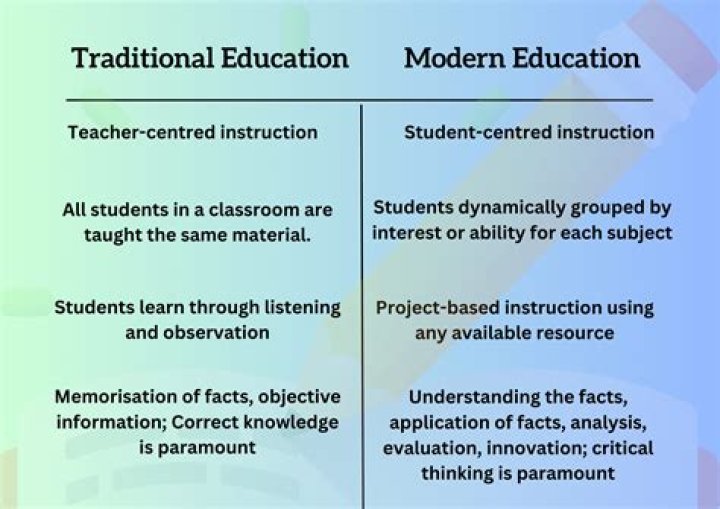
- Facilitate independent, critical, and creative thinking. Ask students to analyze, synthesize, or apply material, both during lectures and in assignments.
- Encourage effective collaboration.
- Increase student investment, motivation, and performance.
One may also ask, how can you support learning in the classroom? Strategies for Learning and Teaching
- Establish a supportive relationship with the student.
- Focus on what the student can do rather than what he/she cannot do and build on his/her strengths.
- Include praise and encouragement as part of the student's learning and teaching experience.
- Simplify language, repeat words and clarify meanings.
Considering this, what are the ways of learning?
Scientists and psychologists have developed a number of different models to understand the different ways that people learn best. One popular theory, the VARK model, identifies four primary types of learners: visual, auditory, reading/writing, and kinesthetic.
What are some active learning strategies?
Active Learning Strategies
- Group Activities. Case-based learning. Case-based learning requires students to apply their knowledge to reach a conclusion about an open-ended, real-world situation.
- Individual Activities. Application cards.
- Partner Activities. Role playing.
- Visual Organizing Activities. Categorizing grids.
How do you promote active learning?
Consider these five ways to promote active learning in your own classroom.- Make Videos and Photographs Engaging. They say a picture is worth 1,000 words.
- Have to Lecture? Keep It Interactive.
- Incorporate Games and Puzzles.
- Harness the Power of Social Collaboration.
- Assign Flexible Projects.
What is the most effective teaching strategies?
Top 10 Evidence Based Teaching Strategies- Clear Lesson Goals.
- Show & Tell.
- Questioning to Check for Understanding.
- Summarise New Learning In A Graphical Way.
- Plenty of Practice.
- Provide Your Students With Feedback.
- Be Flexible About How Long It Takes to Learn.
- Get Students Working Together.
How can you promote learning in the classroom?
Consider these five ways to promote active learning in your own classroom.- Make Videos and Photographs Engaging. They say a picture is worth 1,000 words.
- Have to Lecture? Keep It Interactive.
- Incorporate Games and Puzzles.
- Harness the Power of Social Collaboration.
- Assign Flexible Projects.
How do you engage all students in learning?
Here are the measures that you can take to engage students in learning:- Tap into students' prior knowledge.
- Learn students' interests.
- Organize classroom discussions.
- Design highly relevant learning activities.
- Integrate Modern Technology.
- Foster Competition among Students.
How do you promote positive behavior?
Tips for good behaviour- Be a role model. Use your own behaviour to guide your child.
- Show your child how you feel.
- Catch your child being 'good'
- Get down to your child's level.
- Listen actively.
- Keep promises.
- Create an environment for good behaviour.
- Choose your battles.
What are the 4 methods of learning?
One popular theory, the VARK model, identifies four primary types of learners: visual, auditory, reading/writing, and kinesthetic. Each learning type responds best to a different method of teaching.What are the 3 learning types?
The three basic types of learning styles are visual, auditory, and kinesthetic. To learn, we depend on our senses to process the information around us. Most people tend to use one of their senses more than the others.What are the 5 methods of teaching?
Teacher-Centered Methods of Instruction- Direct Instruction (Low Tech)
- Flipped Classrooms (High Tech)
- Kinesthetic Learning (Low Tech)
- Differentiated Instruction (Low Tech)
- Inquiry-based Learning (High Tech)
- Expeditionary Learning (High Tech)
- Personalized Learning (High Tech)
- Game-based Learning (High Tech)
What are the 7 learning styles?
The Seven Learning Styles – How do you learn?- Visual (Spatial)
- Aural (Auditory-Musical)
- Verbal (Linguistic)
- Physical (Kinesthetic)
- Logical (Mathematical)
- Social (Interpersonal)
- Solitary (Intrapersonal)
How do students learn best?
Learning occurs best when the development of positive attitudes and perceptions is made part of every learning task. Students learn to think positively about themselves, their peers, and the material they are learning. Establish a relationship with each student in the class. Practice positive classroom behavior.How do children learn?
Children and teenagers learn by observing, listening, exploring, experimenting and asking questions. Being interested, motivated and engaged in learning is important for children once they start school. It can also help if they understand why they're learning something.What is the best learning style?
The Seven Learning Styles Visual (spatial):You prefer using pictures, images, and spatial understanding. Aural (auditory-musical): You prefer using sound and music. Verbal (linguistic): You prefer using words, both in speech and writing. Physical (kinesthetic): You prefer using your body, hands and sense of touch.What are the 8 different types of learners?
The 8 Learning Styles:- The Linguistic Learner.
- The Naturalist.
- The Musical or Rhythmic Learner.
- The Kinesthetic Learner.
- The Visual or Spatial Learner.
- The Logical or Mathematical Learner.
- The Interpersonal Learner.
- The Intrapersonal Learner.
How do you support students?
6 Ways You Can Support Student Success this School Year- Lead by example—model respect and caring in your actions.
- Seek to be restorative, and not punitive, in handling challenging or disruptive behaviors.
- Support inclusion by strategically integrating classrooms and activities wherever possible.
What is a learning strategy examples?
8 Active Learning Strategies and Examples [+ Downloadable List]- Reciprocal questioning.
- Three step interviews.
- The pause procedure.
- The muddiest point technique.
- The devil's advocate approach.
- Peer teaching activities.
- Game-based learning platforms.
- Rotating chair group discussions.
How can you support learners with barriers to learning?
Here we have 6 of the most efficient methods for giving your learners the upper hand with overcoming learning barriers as they appear.- It Begins with Believing.
- Provide Context and Relevance.
- Debrief and Assess Constantly.
- Use Enabling Language.
- Provide Model and Opportunities.
- Guide and Step Aside.
How parents can help students at home?
Here are 10 ways parents can put their kids on track to be successful students.- Attend Back-to-School Night and Parent-Teacher Conferences.
- Visit the School and Its Website.
- Support Homework Expectations.
- Send Your Child to School Ready to Learn.
- Teach Organizational Skills.
- Teach Study Skills.
- Know the Disciplinary Policies.
What is a learning support classroom?
Learning supports are the resources, strategies, and practices that provide physical, social, emotional, and intellectual supports intended to enable all pupils to have an equal opportunity for success at school by addressing barriers to and promoting engagement in learning and teaching.What are examples of learning activities?
- Content Focus (and Interaction) Whether the learning outcomes for a session or module include declarative or functioning knowledge, almost all of them will be supported in some way by the presentation of information to students.
- Interactivity (with Others) Focus.
- Critical Thinking.
- Production.
- Problem Solving.
- Reflection.