.
Keeping this in view, is a written grant of authority from the king giving citizens permission to colonize new land?
A charter is a document that gave colonies the legal rights to exist. Charters can bestow certain rights on a town, city, university or an institution. Colonial Charters were empowered when the king gave a grant of exclusive powers for the governance of land to proprietors or a settlement company.
One may also ask, how did the Petition of Right affect government? It was written by Parliament as an objection to an overreach of authority by King Charles I. During his reign, English citizens saw this overreach of authority as a major infringement on their civil rights. The Petition of Right of 1628 contained four main points: No taxes could be levied without Parliament's consent.
Subsequently, question is, what is the term for a legislative body composed of two houses?
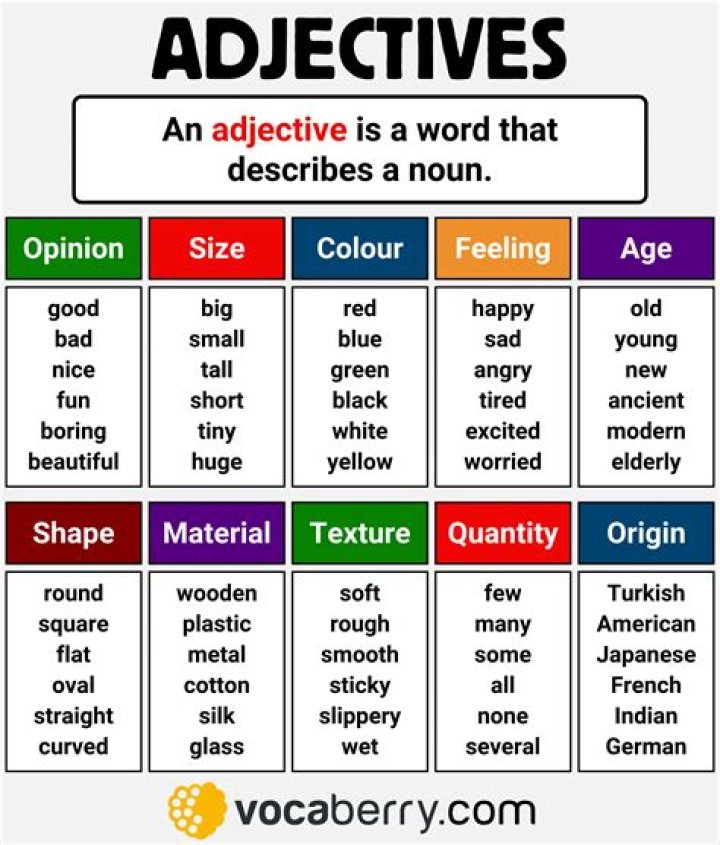
bicameral. An adjective describing a legislative body composed of two chambers, like Virginia and the US Congress. proprietary. Organized by a person to whom the king had made a grant of land. unicameral.
Who wrote the first code of law that was not subject to the Kings will?
In the early 17th century, Magna Carta became increasingly important as a political document in arguments over the authority of the English monarchy.
Related Question AnswersWhat was the result of the King revoking the charters?
He believed that the Puritans were too powerful and was ordered to leave the Massachusetts Bay Colony for his religious beliefs. King Charles II revoked Massachusetts's charter in 1684 as a result of colonial insubordination with trade, tariff and navigation laws. This led to the Confederation's collapse.What are the three types of colonial charters?
There were three types of colonial charters; proprietary, company and charter. Royal charters were held by the king.How did the English Bill of Rights make Parliament more powerful quizlet?
How did the English Bill of Rights make Parliament more powerful? That it is the right of the subjects to petition [make a request of] the king, and all commitments and prosecutions for such petitioning are illegal; Parliament did not have to deal with petitioning, which made them look like a stronger nation.What was the first charter colony?
Charter Colonies - Massachusetts The Massachusetts charter was given to business corporations in 1629.How were proprietary colonies governed?
The legislature is bicameral. How were proprietary colonies governed? In proprietary colonies, the governor was appointed by the proprietor, and the legislature is unicameral. They were based on charters granted to the colonists themselves; largely self-governing; bicameral; had the most freedom.What was the name of the company that King James I gave permission to settle a new colony?
The First Charter of Virginia, also known as the Charter of 1606, is a document from King James I of England to the Virginia Company assigning land rights to colonists for the stated purpose of propagating the Christian religion.Who signed the Virginia Charter?
King James IWhat were the differences between the colonies charters?
Charter colonies were governed by joint stock companies, which received charters from the king and enjoyed quite a bit of self-government. Proprietary colonies were granted by the king to a proprietor or head of a proprietary family, who owned the colony by title and governed it as he saw fit.Who is the head of the legislative branch?
The presiding officer of the chamber is the Speaker of the House, elected by the Representatives. He or she is third in the line of succession to the Presidency.What branch of government is the most powerful?
Judicial BranchWho are the members of the legislative branch?
The legislative branch is made up of the two houses of Congress—the Senate and the House of Representatives. The most important duty of the legislative branch is to make laws. Laws are written, discussed and voted on in Congress. There are 100 senators in the Senate, two from each state.What are the 4 powers of the legislative branch?
Some of the powers granted to Congress in Article I are: regulating commerce, passing laws, the power to lay taxes, to establish Post Offices and post roads, and to “define and punish Piracies and Felonies committed on the high Seas”, among others.What are the duties and responsibilities of the legislative branch?
The legislative branch is made up of the House and Senate, known collectively as the Congress. Among other powers, the legislative branch makes all laws, declares war, regulates interstate and foreign commerce and controls taxing and spending policies.What are the responsibilities of the legislative branch?
The Legislative Branch is the part of the government that writes up and votes on laws, also called legislation. Other powers of the Congress include declaring war, confirming Presidential appointments for groups like the Supreme Court and the Cabinet, and investigating power.What are the four powers of the Senate?
Powers & Procedures- Impeachment. Under the Constitution, the House of Representatives has the power to impeach a government official, in effect serving as prosecutor.
- Expulsion. Article I, section 5, of the U.S. Constitution provides that each house of Congress may "…
- Censure.
- Contested Senate Elections.